


The fascination and love for cosmetics, which as a Cosmetophilia As is well known, it has deep roots in human history. Since time immemorial, people—especially women—have used various means to emphasize their personal grooming and highlight their beauty. This passion for cosmetics reflects not only the desire for external beauty but also the deep human urge for self-expression and cultural identity. The term „cosmetophilia“ is composed of the Greek words „cosmetics“ (κοσμητική, kosmetikí) and „philia“ φιλία (filía), with “philia” meaning a fondness or love for something, which clarifies the specific meaning of a passion for cosmetics.

The origins of cosmetophilia
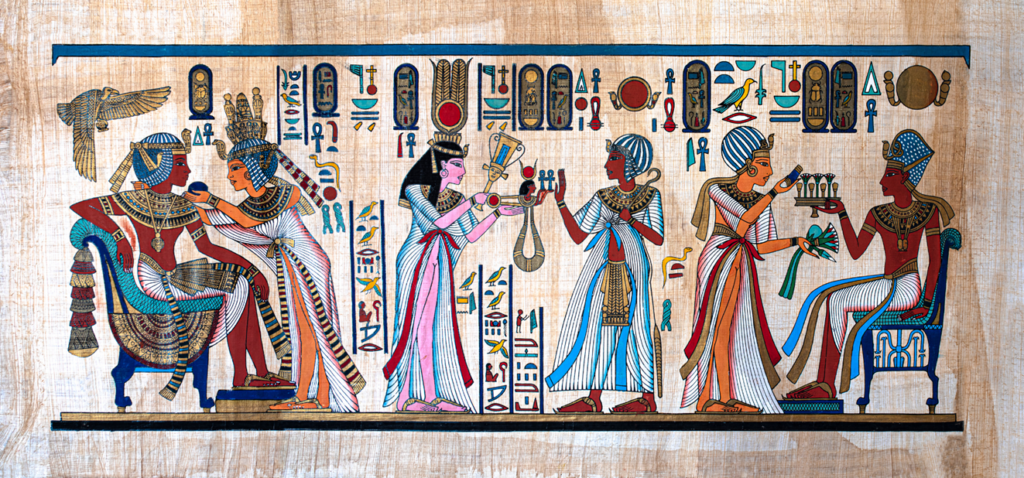
The history of cosmetics dates back to the ancient world, where they were present in civilizations around the globe. In Egypt For example, women and men used kohl to emphasize their eyes and protect themselves from the sun. In Greece and Rome fragrant oils and baths were not only a sign of purity and beauty, but also of social status and intellect. In the Cultures of South America indigenous peoples used natural dyes for body painting, which not only served aesthetic purposes but also had important social, religious and martial meanings.
The development of cosmetophilia throughout history
Cosmetophilia has continuously developed and changed throughout history, with various influences and trends shaping its development. From ancient civilizations to modern times, the development of cosmetics has reflected cultural, social and economic changes. In the Antiquity and the Middle Ages cosmetic practices were often closely linked to religious and social norms, while in the Renaissance and the Enlightenment, there was a stronger focus on personal expression and individuality. In the course of the Industrialization and the 20th century cosmetic products became increasingly commercialized and diverse, leading to wider availability and use. Today, the evolution of cosmetophilia is reflected in a growing awareness of sustainability, naturalness and diversity, with trends such as Clean Beauty and Inclusiveness gain in importance. The history of cosmetophilia thus shows a continuous adaptation to social changes and needs, making it a multifaceted and dynamic part of human culture.
Cosmetics, clothing and culture: a timeless global phenomenon
Cosmetics and clothing have always played a crucial role in a wide variety of cultures around the world and will continue to do so. They are not only used for external beautification, but also as an expression of social identity, belonging and cultural values. While in some cultures bleaching the skin or wearing wigs was considered the ideal of beauty, indigenous peoples have developed cosmetic practices such as tribal painting that are deeply embedded in their identity and community. These paintings, often part of rituals for transition to adulthood, preparation for battle or as an expression of connection to nature and spiritual beliefs, show the diversity and depth with which people visualize their belonging and values. Both cosmetics and clothing are powerful means of shaping and communicating not only individual but also collective identities. They tell stories of tradition, renewal and the incessant human endeavor to reflect inner values and beliefs through external forms of representation.
The impact of the pandemic on cosmetophilia
The recent COVID-19 pandemic has once again transformed our relationship with cosmetics. With the global wearing of masks, less emphasis has been placed on lipstick, foundation and makeup, leading to an increased focus on skincare. This shift reflects not only practical considerations, but also a deeper reflection on self-care and natural beauty.
Times of crisis and the use of cosmetic products
In times of crisis such as a pandemic, when basic needs such as adequate nutrition and protection may not be guaranteed, cosmetic products and personal care can play an important role. They are not only for self-care, but also for maintaining health and well-being by helping to protect the skin and provide a sense of normality and control in uncertain times.
Another fascinating phenomenon observed during times of economic uncertainty is the so-called „“Lipstick Effect". This phenomenon, which has its roots in behavioral economics, shows that in times of crisis, people tend to treat themselves to smaller luxury goods instead of making larger investments. During the pandemic, this was reflected in a change in consumer behavior towards cosmetic products. Instead of splashing out on expensive fashion accessories and luxury clothing, many turned to the careful selection of skincare products and high-quality make-up. This reflects not only the need to ensure wellbeing and self-care in times of uncertainty, but also the desire to experience luxury and pleasure on a smaller scale. The lipstick effect is an impressive illustration of how profoundly economic fluctuations can influence consumer behavior and highlights the importance of cosmetics as a form of personal expression and emotional resilience.
The development of natural cosmetics
A significant aspect in the evolution of cosmetophilia is the increasing popularity and importance of Natural cosmetics. More and more people are looking for natural and sustainable alternatives in skincare and beauty. Natural cosmetics, which are based on natural ingredients and free from synthetic additives, are gaining popularity. This development reflects the growing awareness of environmental compatibility, biodiversity, health and sustainability and shows a shift towards a holistic approach in cosmetics.
A prime example of this movement is our brand, Anakena – Natural Cosmetics, which is distinguished by its inspiration from Polynesian culture and its commitment to certified natural cosmetics. Anakena combines traditional knowledge with modern science to create products that not only care for the skin but also touch the soul.
Conclusion: The importance of self-care
The history of cosmetophilia is rich and diverse, and it underscores the importance of „self-care“ right up to the present day. In a world marked by uncertainty, cosmetophilia reminds us to find and appreciate beauty in the everyday. Self-care and an awareness of the importance of self-care and well-being are central elements that continue to shape cosmetics as a form of personal expression and emotional resilience.